Wednesday, 13 December 2023

Annual rings in lichen as a lichenometry method


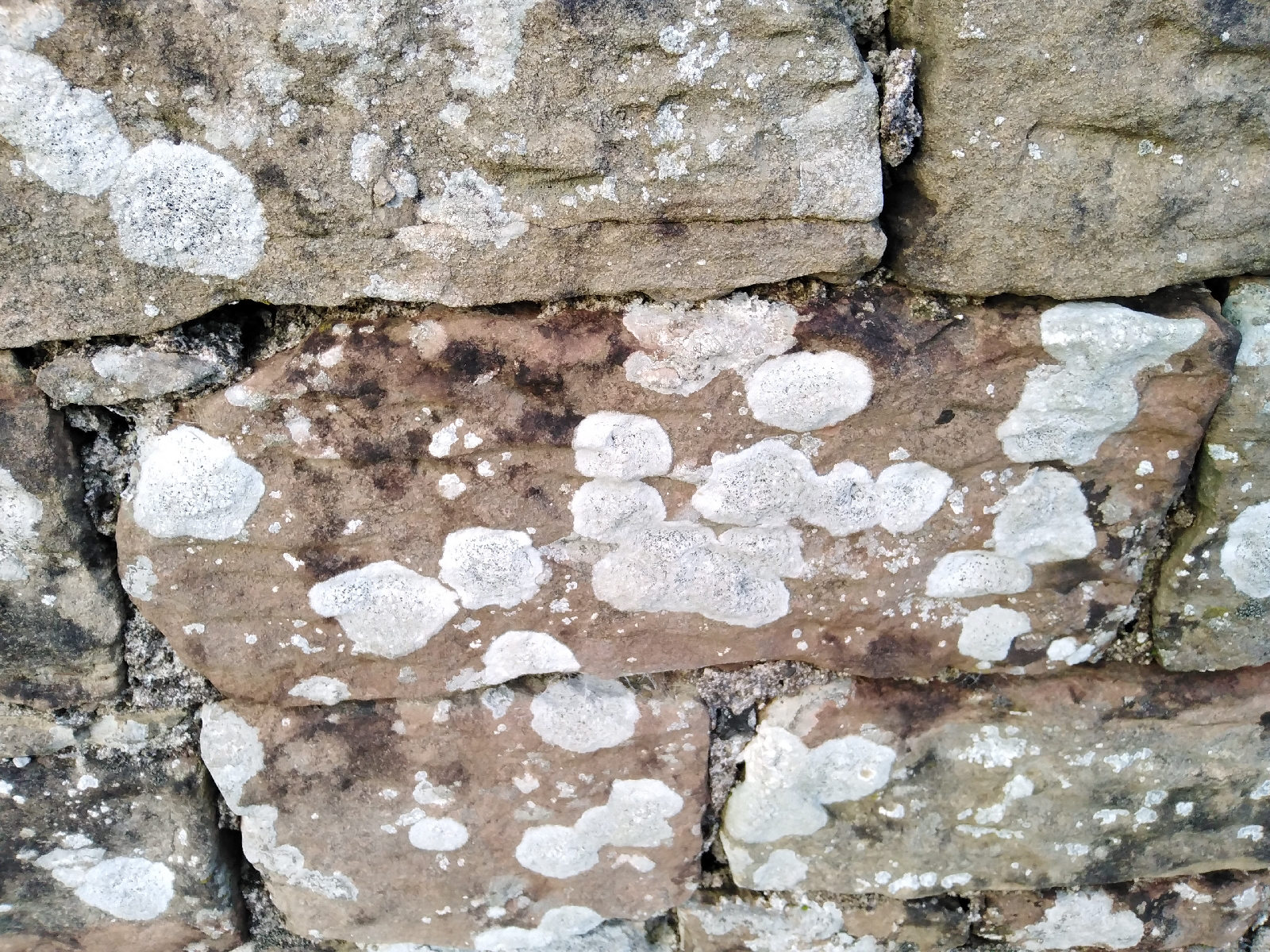
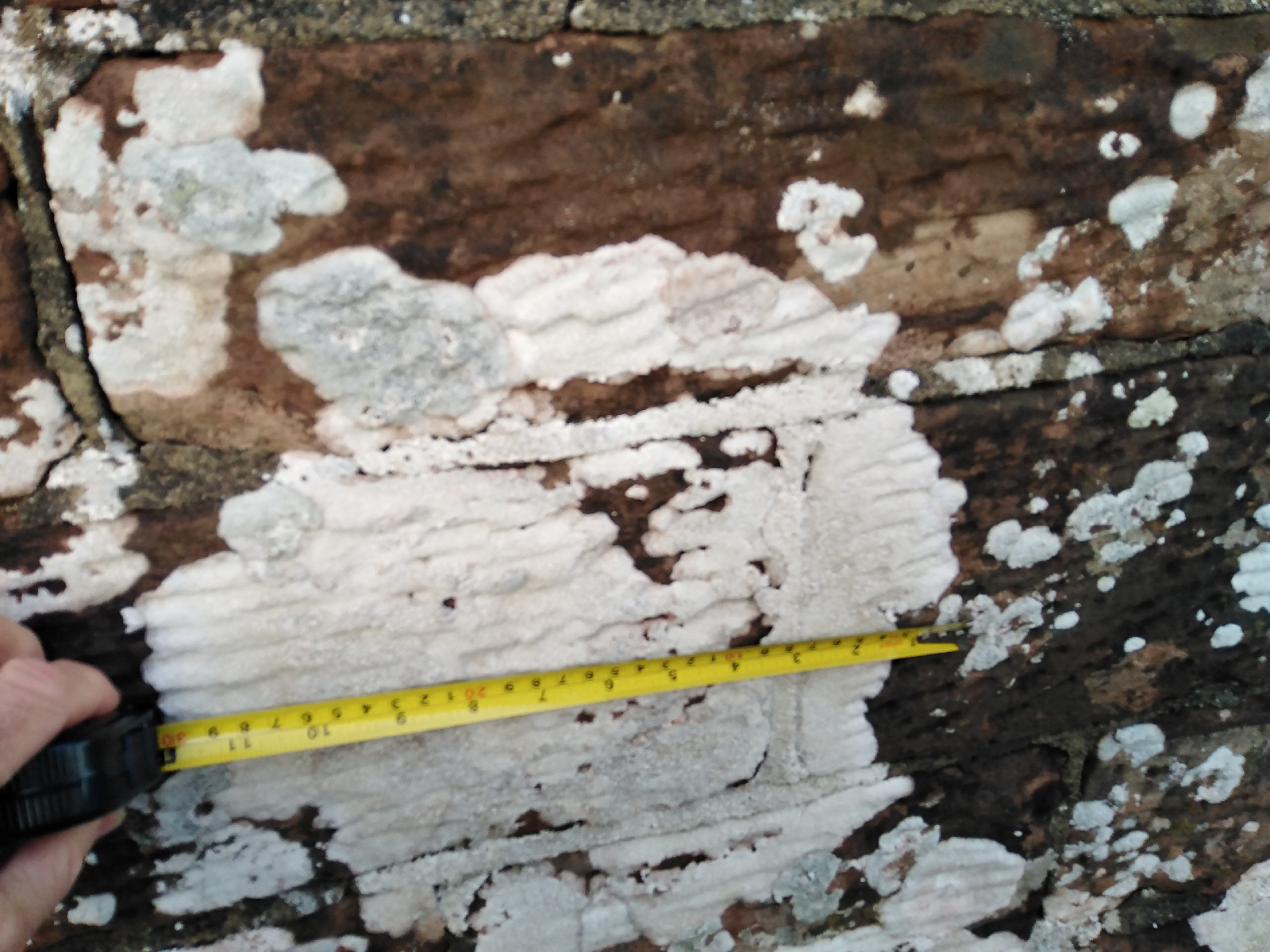
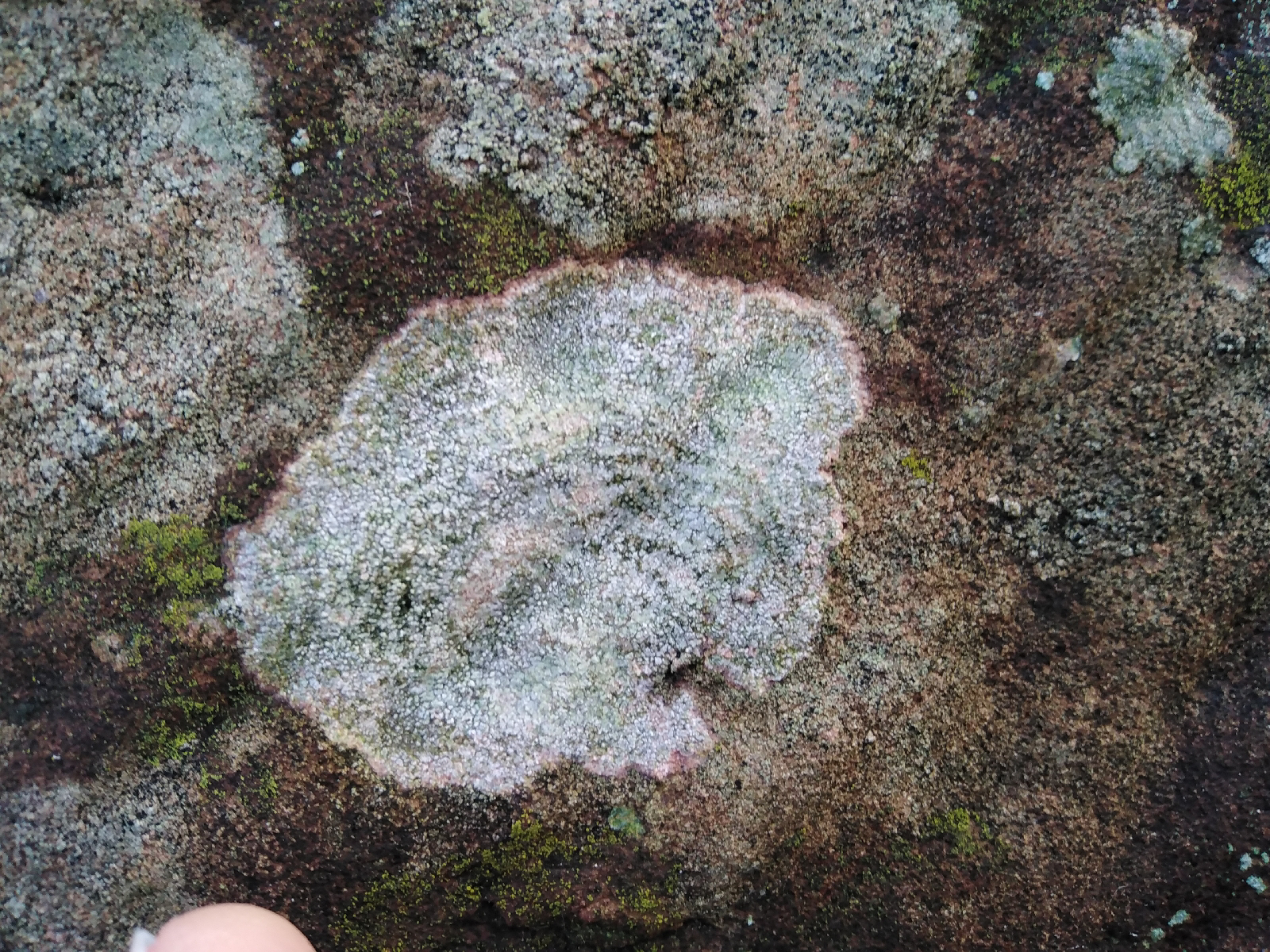
I noticed that these lichens seemed to have clear growth rings in them. I found a paper on this. It seems likely that lichen grow more in the summer than the winter. If so I will be able to date these lichen on the wall by the by-pass. The bottom one would be about 15 years old.

Tuesday, 12 December 2023

Another lichenometry measurement

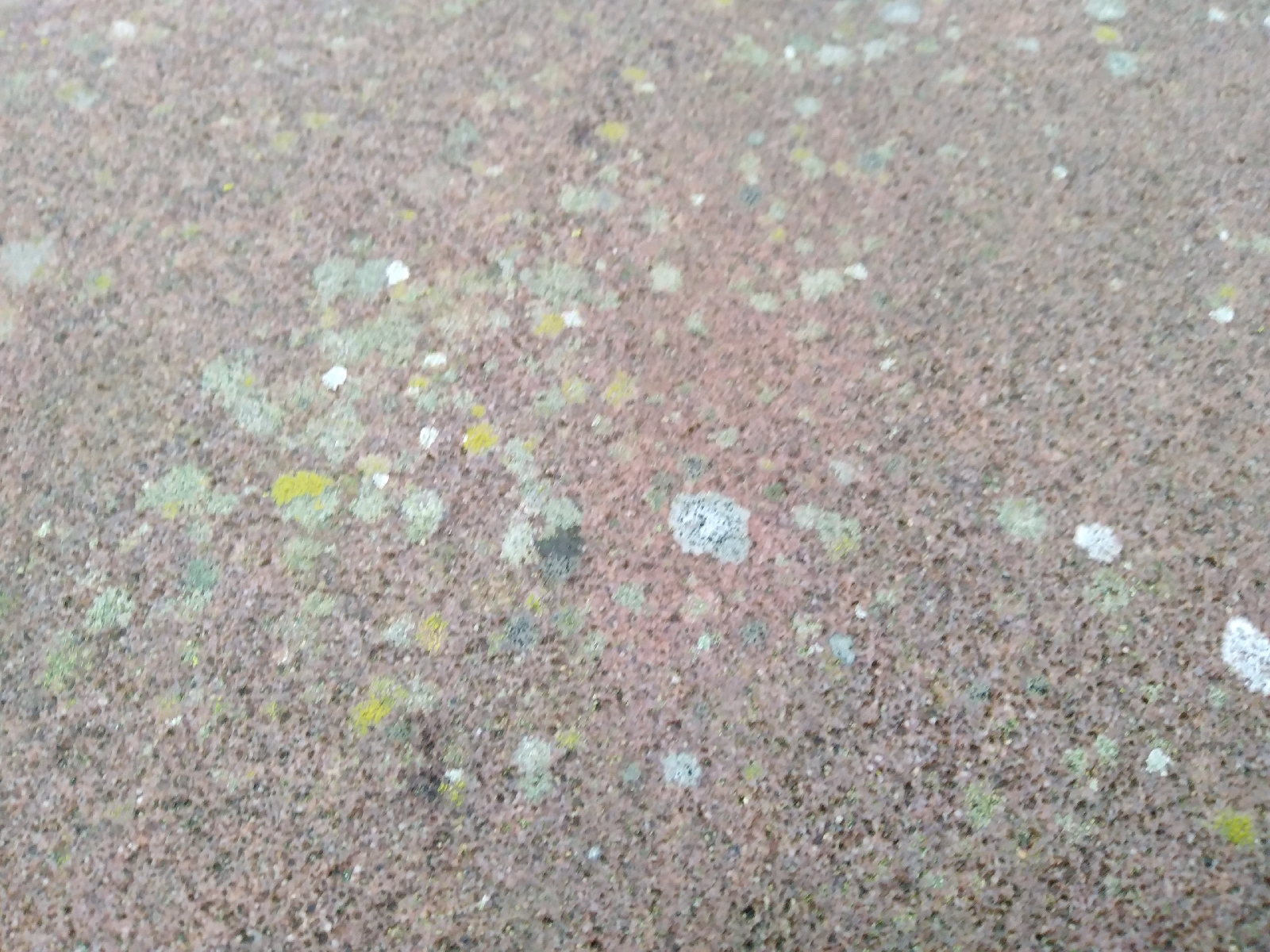
Woodside Park is across the road from the cemetery. The entrance wall has been there about 5 years. There is already lichen on the top surface. 
It looks like roughly 2mm a year growth. It is also sandstone but a flat by surface. 
The thing that undermines some of my theory is the presence of a few large patches. 


Sunday, 10 December 2023

Problems with the lichenometry

The picture below shows many small lichens growing on the same stone. I didn't measure them but based on the previous growth rate, they will be a decade or two old. This are starting to merge.
The large lichen below has definitely grown round a smaller one of a different species.
The problem with my method is that I might be measuring a merger of different lichens so that they will look bigger than a single one would be. I have tried to get round this by choosing large lichens that have the same shape as the smaller ones.

Friday, 8 December 2023

Lichenometry investigation

I came across lichenometry as a way of ageing exposed rock on mountains. 
The outer wall of Wigton Cemetery seemed like an ideal place to start. The cemetery was built in the 1850s so the wall will be about 170 years old. 
I looked for the largest ones I could find. The largest were 300mm across but up to 250mm was quit well represented too. It suggests that the growth rate of this lichen is between 1.5 and 2.0mm per year. Now to find more sandstone to test out the theory.

Wednesday, 6 December 2023

Sunspot update

There are a lot of sunspots today. 

Monday, 4 December 2023

What happens to a wind turbine when the wind stops?

I saw a claim on the Internet that wind turbines can keep spinning for hours after the wind has dropped. Sounds incredible to me. So I decided to do a calculation based on the turbines at Watchtree. I used an approximation where I calculated the kinetic energy at rated power and divided by the rated power, assuming it would generate at that power until it stopped. I modelled the three blades as uniform spinning rods using data from here. I = 1/3.m.L^2 = 1/3 x 1500 x 23^2 = 264500kgm^2. Rotational speed = 1650 U/min. The units are in German: Umdrehungen pro Minute is revs per minute. That's 172 rad/s. Rotational ke = 1/2 I.w^2 = 4 x 10^9 Joules. At 660kW output, it would take roughly 100 minutes to use all that energy in the generator. Maybe there is some truth in the claim.

Friday, 1 December 2023

Microfibre

Micro has a particular meaning in science: 10^-6 or on millionth. So how does that apply to fibre? It turns out that the fibres have a diameter of less than 10 micrometres so I wouldn't be able to measure that with a micrometer screw gauge. I guess that the small diameter gives the fibres a much bigger surface area when woven like this so that more water can bind to the surface, It says that the polyamide content, which is 12% on this white part of this cloth, due to hydrogen bonding. Looks like this has opened up a whole new area of interest!